
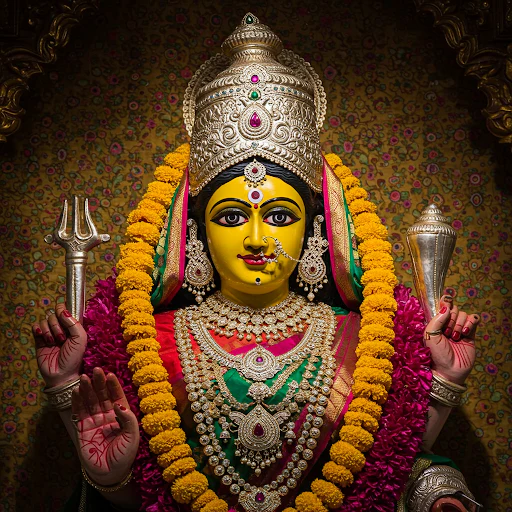
Navarāthri is upon us once again. For Devi bhaktas, it is a season of colour, devotion and remembrance; each night another form of the Mother, each day another doorway into her grace.
For Devi sādhakas, it is a time of intensified sādhana, pūjā, fasting, japa, and inner discipline. But alongside all this beauty, there is one thing we can almost predict with clockwork precision; whether we invite it or not.
The hijacking.
Every Hindu festival now seems to come with an unsolicited “awareness campaign” riding piggyback on our sacred days. During Deepāvali, it’s the No Fireworks sermons. During Holi, Don’t Waste Water. During Śivarāthri, Feed the Poor Instead of Abhiṣekam. The list grows longer each year, and curiously, the tone grows sharper.
These campaigns are often driven by NGOs or well-meaning activists with their own social agendas. But notice the pattern.
These voices are loud only during Hindu celebrations. You will rarely if ever see the same groups critiquing other communities during their festivals.
Ever seen PETA lecture anyone during Bakrid? Or child welfare groups run public campaigns during Christmas, linking it to historical abuses?
They wouldn’t dare. And honestly, they shouldn’t.
Because using another culture’s sacred celebration as a billboard for your cause is poor taste. They also know there would be consequences. Hindu festivals, however, are seen as “safe targets” perhaps because of our long-standing Gandhian ideal of absolute ahimsā, even when silence turns into self-erasure.
What’s more troubling is that much of this messaging is unknowingly amplified by “cultural Hindus” themselves shared innocently on WhatsApp and social media, without reflection.
But Dharma does not outsource responsibility.
Śrī Kṛṣṇa did not fight the Mahābhārata war for Arjuna. He drove the chariot and taught him when to stand up, when to draw the bow, and when not to look away.
Dharma, he reminded Arjuna, must be defended—even when those on the side of adharma are friends, relatives, teachers, or elders.
So, this Navaratri, if you see social campaigns riding on our festivals, call them out.
If such messages land in your inbox disguised as “awareness,” call them out firmly, calmly, without malice, but without apology.
Protecting Dharma is not aggression. It is responsibility.
And if reflections like these stir something deeper in you perhaps a desire to understand Tantra, Devī, and Dharma beyond surface-level devotion; you may find resonance in our Tantra circle https://shorturl.at/6gxgH where practice deepens slowly, sincerely, and always under her watchful grace.
Jai Bhavānī.
No responses yet