
Let’s talk about a topic many avoid because it stings a little:
When ego quietly disguises itself as bhakti
A couple of years ago, during Thaipusam season, two elderly colleagues at my workplace got into a heated spiritual debate; the kind only seasoned devotees can have. One told the other he wasn’t going to follow any of the rituals or pre-vows before carrying milk to the temple.
He planned to take a packet and drop it off. Simple. Done.
The second colleague, who had been volunteering during Thaipusam for nearly two decades; helping devotees with kavadi, piercings, and rituals as seva looked horrified.
The first one quickly defended himself:
“Bhakti alone is enough. Baba taught us love matters more than ritual.”
Now, that sounds poetic. It even feels spiritual.
But something in that statement wasn’t devotion; it was convenience dressed as wisdom.
So, I stepped in. Gently.
I told him: Yes, bhakti is the highest path in Kali Yuga. But that doesn’t give us permission to ignore, edit, or override the rituals shaped by saints, siddhas, and Parampara over centuries.
They weren’t created randomly. They were crafted with deep understanding of mind, energy, karma, and the human heart.
There’s a difference between:
• Not knowing the tradition, and
• Choosing to ignore it because it feels inconvenient.
One is innocence.
The other is ego wearing Rudraksha beads.
This isn’t just about Thaipusam. We see the same mindset with the Sabarimala Vrata, Mantra Sadhana, Diksha, or any sacred practice in Tantra or Dharma.
Many quote a comforting line from the Gita:
“If one offers Me a leaf, a flower, a fruit, or water with devotion; I accept.”
— Bhagavad Gita 9.26
Beautiful but incomplete.
Because later, Krishna says something much sharper:
“Those who act under the impulse of desire, discarding the injunctions of the scriptures, attain neither perfection, nor happiness, nor the supreme goal in life.
-Bhagavad Gita 16.23–24
So let the scriptures be your compass.
Let them show you what is to be done, and what is best left untouched. Study them, reflect on them, let their meaning sink beneath the surface of the mind then live, act, and walk your spiritual path in alignment with that wisdom.
In other words:
Bhakti without discipline is not devotion; it’s preference.
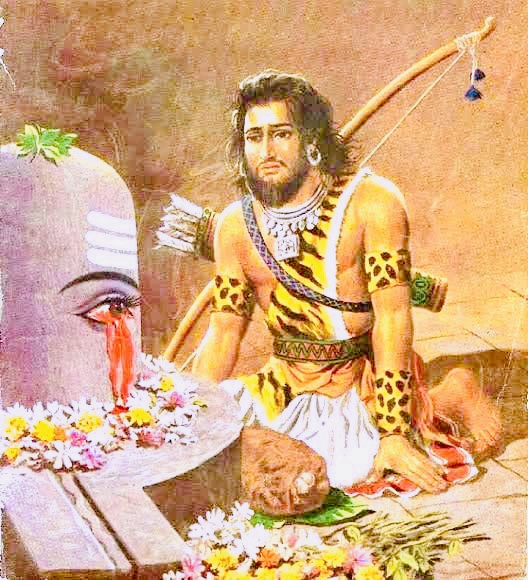
People also like to invoke Kannappa Nayanar: the saint who offered water carried in his mouth and plucked out his own eyes for Shiva.
To which I simply say:
If you’re using Kannappa as your argument, where are the eyeballs?
True Bhakti isn’t comfort.
It is sacrifice.
Sacrifice of time.
Sacrifice of habits.
Sacrifice of “my way.”
Because Bhakti is not about me.
Bhakti is about Bhagavan.
When Bhakti humbles us, it becomes grace.
But when it excuses laziness, it becomes ego with a devotional vocabulary.
If these words stirred something honest within you… maybe it’s time to walk the path with a little more sincerity, structure, and surrender.
You’re welcome to step into our Tantra Sadhana community https://shorturl.at/4Fs5a a space where devotion goes beyond emotion and becomes disciplined spiritual growth
Gurubhyo Namaha
Shri Sangili Karuppanasamy Thunai
No responses yet