
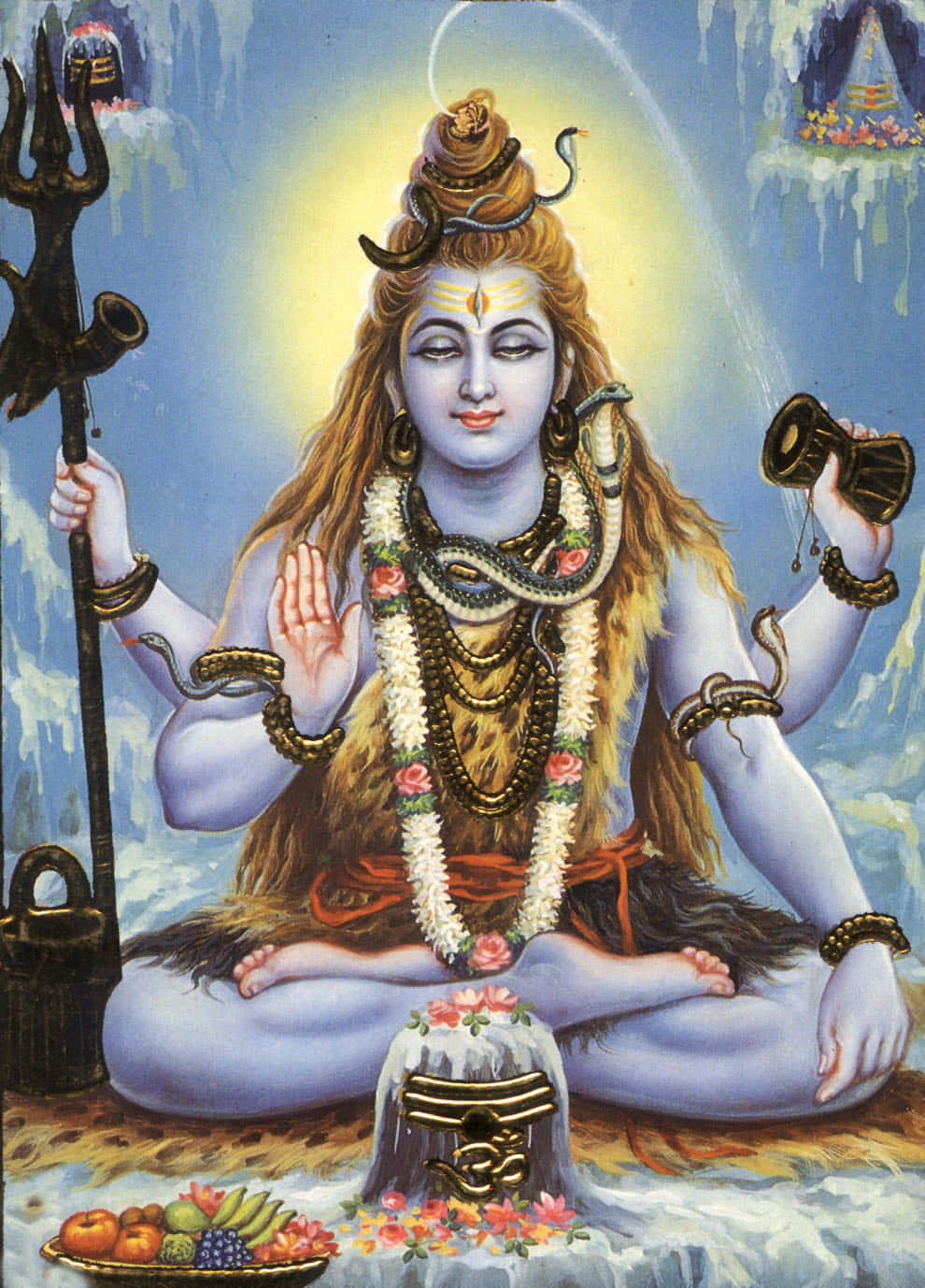
In Saiva Siddhanta, reality is framed through a profound triad: Pati (Shiva), Pasu (the individual soul), and Pasa (bondage).
All three are beginningless.
Shiva is eternal.
The soul is eternal. And the bonds that obscure the soul are also without beginning.
Those bonds; the three Malas are Anava, Maya, and Karma.
Anava is the root impurity, the primal ignorance that makes the soul feel small and separate.
Maya provides the material field: body, senses, world.
And Karma? Karma is the precise law that converts desire into experience.
The soul, veiled by Anava, does not recognize its own Siva-nature.
Out of compassion, Shiva joins the soul with Maya so it may take birth, act, experience, and mature.
The moment the Jeevatma is embodied through Maya, Karma begins to operate.
Saiva Siddhanta offers a striking metaphor: imagine a dirty cloth. The dirt is Anava. To cleanse it, you apply detergent: Maya and Karma. When the washing is complete, both dirt and detergent are rinsed away. The cloth remains pure.
Maya and Karma are not punishments.
They are instruments of purification.
A natural question arises: if Karma requires action, how did the first Karma arise when the soul had no body?
The answer is subtle and psychologically sharp.
Even before action, there is Iccha: desire.
The Anava-veiled soul carries inherent tendencies, preferences, and aversions.
Like a baby presented with toys, it does not manufacture likes and dislikes on the spot; it reveals what was already present. But without a body, those tendencies remain dormant.
When Maya provides embodiment, the soul can finally act upon them.
Action generates Karma. The cycle begins.
And in Saiva Siddhanta, Karma is generated not only through physical deeds but also through thought and speech. Merely entertaining the thought of theft plants a karmic seed. Cursing someone silently generates consequence.
The universe, in this view, is morally responsive at the level of intention itself.
The tradition identifies three types of Karma:
• Sanchita Karma: the accumulated storehouse of karmas from countless births.
• Prarabdha Karma: the specific portion withdrawn for experience in this lifetime, like withdrawing funds from a vast karmic account.
• Agami (Agama) Karma: the new karma being generated now through current thoughts, words, and actions.
Only ripe karmas are experienced as Prarabdha. The rest wait patiently.
Unlike Buddhism or Jainism, which describe karma as self-operating, Saiva Siddhanta holds that Karma is not an intelligent force.
It cannot “find” the soul by itself in future births.
Just as a legal system requires a judge to administer law, Karma requires an omniscient Being to dispense it appropriately.
That Being is Siva: all-intelligent, compassionate, and just.
Every birth, therefore, is not random.
It is educational.
Through pleasure and pain, gain and loss, the soul gradually develops Viveka (discernment between the real and the unreal) and Vairagya (dispassion toward the transient).
The tightening grip of Anava begins to loosen. This ripening process is called malaparipakam: the maturation of impurities.
As maturity deepens, the soul develops iruvinai oppu; equanimity toward both good and bad karmic fruits.
Pleasure does not intoxicate.
Pain does not embitter.
When this balance stabilizes, something extraordinary occurs: Siva’s Grace descends; Sakthi nipatham.
Actions are no longer ego-driven impulses born of Anava.
They become aligned with the Divine Will. Karma no longer binds.
This is not fatalism. It is spiritual education across lifetimes; guided, measured, compassionate.
And perhaps the most empowering takeaway is this: if Karma arises from thought, word, and action, then liberation begins there too.
Each moment is a seed.
If understanding Karma through Saiva Siddhanta stirs something deeper in you; not just intellectually but existentially; you may feel called to explore these truths not merely as philosophy but as lived inner transformation.
Our Tantra circle: https://shorturl.at/6gxgH is a space where these teachings move from theory to direct experience, gently guided under His grace
Om Namah Shivaya
Shree Mahaganapatayeh Namaha
Karuppan Thunai
No responses yet